Getting experienced first aid training matters greater than the majority of people expect. A quick, calm action saves lives, decreases recuperation time, and avoids small events from becoming major ones. If you live or function around Jandakot, Western Australia, this overview walks through what to expect from first aid and CPR courses nearby, just how much they usually set you back, how to arrange them to fit work or family life, and what to check before you book.
Why this matters The very first few mins after an injury or collapse dictate the end result in many emergency situations. Employers must fulfill governing training needs, parents desire self-confidence when their kid is hurt, and tradespeople require a certificate to work with some websites. Past qualification, sensible hands-on technique changes behaviour. Individuals that have actually trained just recently press the steps, are quicker to call for assistance, and are more ready to act.
What first aid and CPR courses are frequently used near Jandakot Around Jandakot you will certainly find a handful of common course kinds. The certain names differ by company, yet the material falls into a couple of foreseeable groups. A standard course shows cardiopulmonary resuscitation abilities and automated external defibrillator use, typically called CPR or HLTAID001. A typical work environment first aid course, commonly HLTAID011, covers CPR, choking, hemorrhaging, shock, cracks, and fundamental medical conditions. Mental wellness first aid and progressed life support are supplied also, but much less frequently at regional community training centres.
Many companies request for an incorporated first aid and CPR accreditation, which packages the HLTAID011 and HLTAID001 proficiencies into a solitary session. Some providers market "first aid and CPR course Jandakot" specifically, because they run classes either in Jandakot or within the nearby southern suburban areas of Perth.
Typical course duration and what you will do Course length depends upon the extent. A CPR course runs from 1.5 to 3 hours with method on manikins and AED simulation. A full workplace first aid course frequently takes 6 to 8 hours, typically provided in a solitary day or split throughout 2 shorter sessions. Correspondence course for CPR can be as short as 1 hour if you only need to update fundamental abilities, while a first aid refresher to restore a workplace certificate typically takes 3 to 4 hours.
Expect useful tasks to dominate the time. You will certainly practise upper body compressions, rescue breaths, recuperation position, bandaging, splinting, and scenario drills. Instructors will analyze you on ability proficiency rather than a lengthy written examination. Certifications released by Registered Training Organisations stand through set by the qualification, commonly three years for first aid certifications, with CPR skills commonly needing renewal every 12 to 24 months depending on work environment policy.
Pricing ranges and what affects cost Prices around Jandakot vary with the company, class size, and whether the session is public or private. Below are realistic arrays, shared in Australian bucks, based on regional market norms. Use them as a rule of thumb when contrasting quotes.
- CPR-only course: approximately 35 to 70 AUD per person for a public team session. Full office first aid (HLTAID011): about 120 to 220 AUD each for a public session. Combined first aid and CPR course with certificate: approximately 140 to 240 AUD per person. Onsite company training: often charged per participant with a minimal reservation charge, expect 150 to 350 AUD each relying on travel and group dimension, occasionally more for small groups due to minimums. Refresher courses: 60 to 140 AUD relying on duration and whether a statement of accomplishment is reissued.
Factors that press costs up include little exclusive groups, after-hours shipment, specialized trainers such as paramedics, or added modules like asthma and anaphylaxis training. Community centres and TAFEs often supply lower-cost alternatives, however they run on set days and fill up quickly.
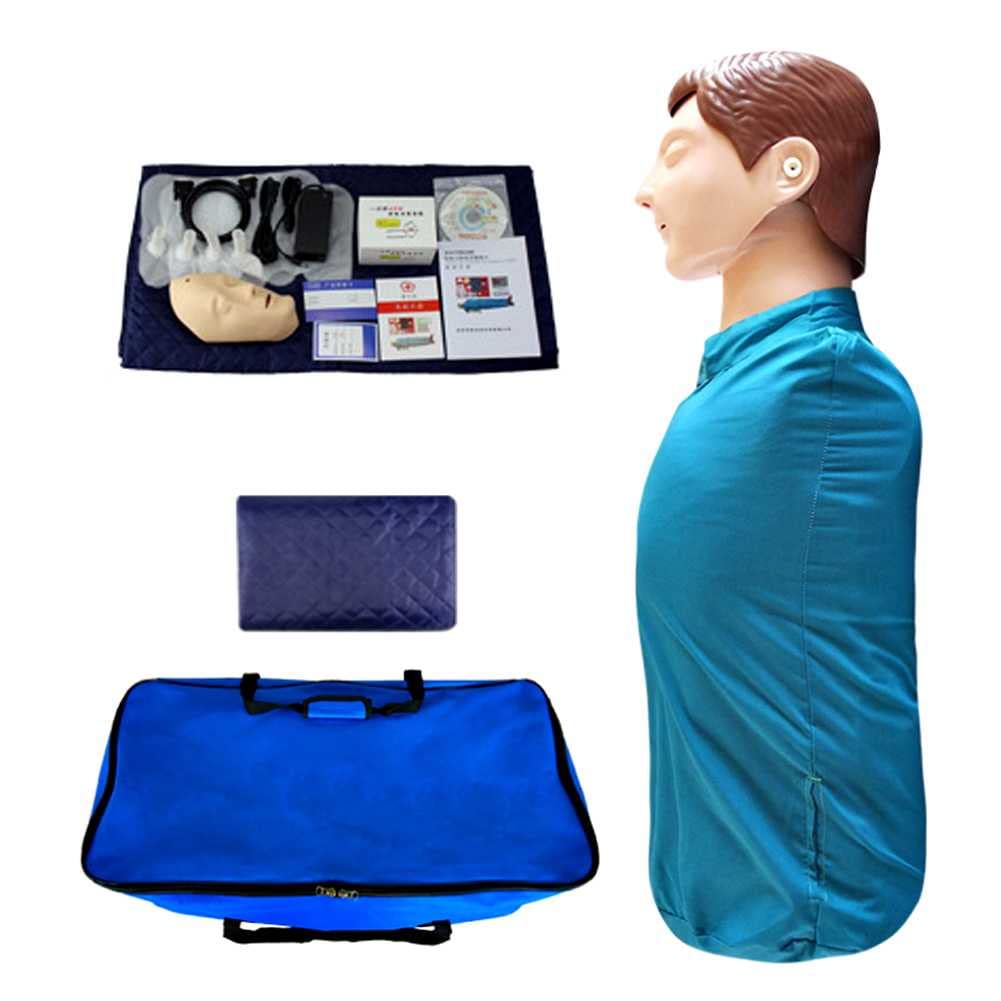
How to review worth, not just price Cost alone is a bad measure of value. Seek sensible features that matter throughout and after training. A top quality course will keep the trainer to student ratio reduced throughout abilities practice. In my experience, a 1 to 6 proportion for hands-on technique makes the distinction in between rote discovering and positive performance. Check whether manikins and AED instructors are modern and well maintained, since low-cost foam manikins or a not enough number of gadgets leave you under-practised.
Ask whether the course problems a country wide acknowledged declaration of accomplishment. Employers typically need this. Some cheaper service providers issue attendance certifications that are not across the country acknowledged. Additionally verify the revival policy and whether follow-up refresher course sessions are offered at a discount.
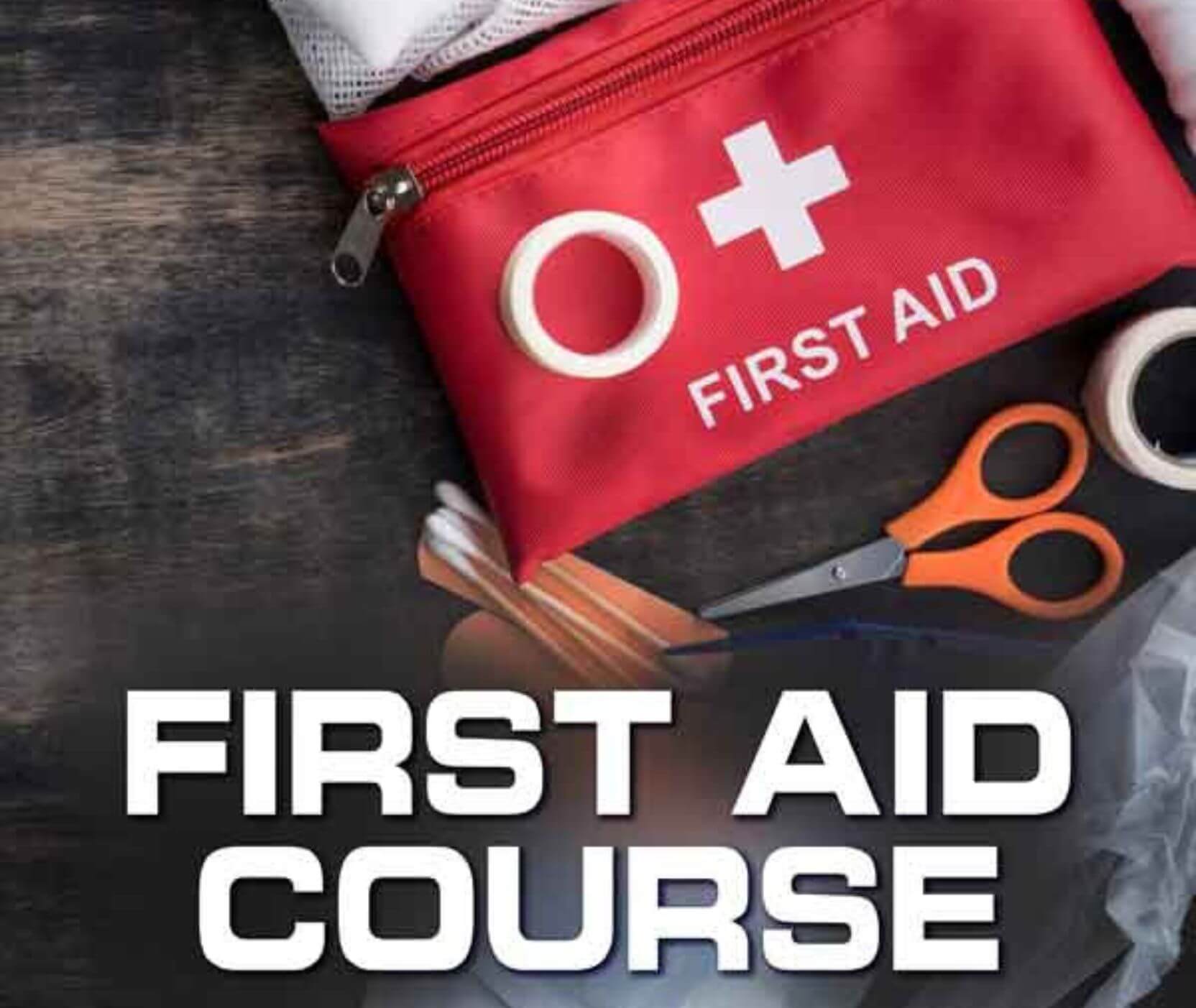
Scheduling: fitting training into work and family life A lot of neighborhood providers provide weekday daytime courses for general public and weekday or weekend choices customized to employees. If you work changes, you will discover evening sessions with a little searching, however they are much less usual. Onsite training is commonly the fastest way to accredit a whole team without disrupting job. A single-day HLTAID011 onsite session saves team traveling time and makes rostering simpler, but you will need to provide an appropriate space and adequate technique space.
For families or people who want marginal disturbance, a split distribution option functions well. A number of suppliers run 2 half-days, one on a weekend and one on a weekday evening. That layout decreases single-day exhaustion and assists retention. If you pick a public session, publication early. Popular weekend break ports around Jandakot fill six to eight weeks beforehand, specifically before holiday seasons when moms and dads try to update certifications for child care requirements.
What to bring and exactly how to prepare Bring identification, any employer or job referral details required for enrolment, and use comfortable clothing ideal for coming down on the flooring. If you have allergies or medical conditions that impact your ability to practice rescue breaths or mouth-to-mouth, inform the instructor; there are accepted choices and reasonable adjustments. For workplace reservations, guarantee your company gives a space with enough room, a table, and a whiteboard if you desire brief theory refreshers.
Checklist prior to scheduling (short list with fundamentals)
- Confirm which devices or proficiencies are consisted of and whether the certificate is country wide recognised. Check course size and whether useful assessment is consisted of on the same day. Verify the trainer credentials and inquire about class size for abilities practice. Ask whether the provider problems electronic certifications, the turnaround time, and revival options. If onsite, validate minimum participant numbers, room requirements, and any travel fees.
What happens if you miss out on a scheduled session Policies vary. Lots of suppliers allow rescheduling with 24 to 72 hours notice without penalty, however last-minute cancellations usually sustain a fee equivalent to component of the course rate. For business bookings, a minimum participant number is common. If you book for a little team and numbers drop below the minimum, the company may reschedule or charge a per-person surcharge. Always review the cancellation policy prior to paying.
Refresher timing and preserving skills CPR skills decay; researches show measurable decrease in compressions and air flow ability within months unless practiced. For work environment conformity, CPR is commonly freshened every 12 to 24 months. First aid certificates are normally renewed every three years, yet some companies require even more constant refresher courses, particularly in risky setups. Arrange a brief CPR session at 6 to nine months after initial accreditation if your job involves high exposure to emergencies. Several service providers use an affordable 30 to 60 min "skills session" for this purpose.
Training for specific workplaces If you work with construction websites, in child care, or in aged treatment, try to find courses that consist of modules required by your sector. Child care often calls for bronchial asthma and anaphylaxis components, while building and construction websites may need details workplace hazard modules. A service provider who recognizes your market will certainly tailor scenarios to typical events you could encounter. For example, a tradesperson will certainly gain from substitute second surveys including hefty equipment crush injuries and improvisated splinting.
Choosing a trainer: what inquiries to ask Ask whether instructors are paramedics, registered nurses, or experienced first aid teachers. Paramedics bring practical field insights, nurses supply clinical depth, and experienced teachers supply rearing and classroom monitoring. All can be exceptional, so concentrate on the instructor's knowledge with your sector, their ratio of practical time to concept, and whether they will do on-site analyses personally.
Ask for a sample class timetable. A typical full-day routine ought to consist of a short concept session, repeated sensible stations, situation drills, and formal expertise checks. If a course invests most time on slides and lecture, the fee might be much better invested elsewhere.
Examples from regional method I once ran a small training block for a flooring subcontractor near Jandakot. They booked an onsite first aid course in my area session for eight people, chose a full-day HLTAID011, and conserved a morning lost to travel. The training included job-specific scenarios such as securing an employee pinned by a pallet and dealing with a presumed back injury after a ladder loss. Since the fitness instructor utilized scenario-based drills with job-relevant props, individuals maintained abilities and reported greater confidence on the job. The firm arranged a 30-minute CPR refresher course at the six-month mark, which maintained compressions from declining.
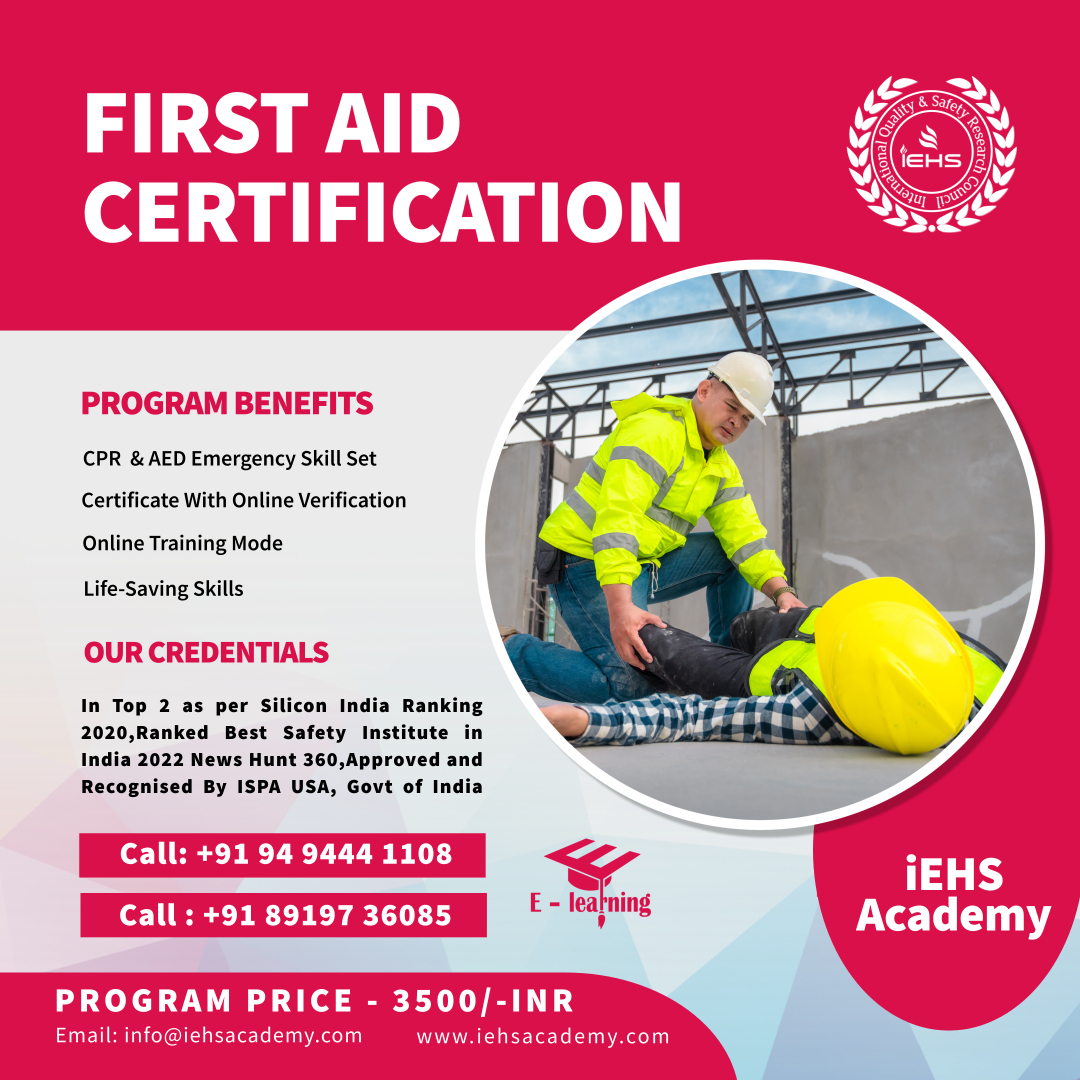
Another instance: a moms and dad group scheduled weekend CPR sessions for 12 people at a regional community hall. As opposed to a lengthy first aid course, they chose a concentrated CPR and choking workshop, which matched their demands and kept costs low. They devoted later on to reattending a short AED practice session at 12 months.
Common edge instances and just how to handle them If you can not do mouth-to-mouth because of disease or cultural reasons, trainers can demonstrate compression-only CPR and AED usage. Some workplaces demand complete proficiency including rescue breaths, so verify demands prior to you book. For people with flexibility restrictions, verify that the training centre can fit adaptive practice methods.
If your company needs a certificate with a particular code or variation, check that the service provider's course matches the existing country wide identified systems. Training packages are periodically updated, and some weaker suppliers still issue older or non-accredited paperwork.
Where to discover courses around Jandakot Search for neighborhood Registered Training Organisations and area universities in the southerly Perth suburban areas. Take A Look At TAFE WA and personal service providers that market Jandakot or the bordering suburbs such as Cockburn Central, Fremantle, and Kwinana. Area wellness centres and community libraries occasionally host subsidised sessions. When contrasting service providers, make use of the rates varies above as a peace of mind check and contact us to make clear details instead of counting solely on web copy.
Booking tips to save money Team bookings spread out the dealt with price of an instructor and venue. If you can gather six to twelve associates, the per-person fee typically goes down considerably. Search for early-bird price cuts, employer-sponsored training spending plans, and neighborhood centre partner discounts. Some suppliers use cheaper 'skills-check' mid-days for people that just need a quick renewal and not a full re-assessment.
What to do after you end up training Shop your certificate electronically and share it with your employer or licensing body if needed. Technique abilities occasionally. Several workplaces timetable short, casual drills during toolbox talks or staff meetings. If you drove to Jandakot for your session, make a note of the company for future refreshers and ask whether they run short practice-only sessions at a discount.
Final practical list for day of course (short list)
- Bring photo ID and any type of enrolment confirmation. Wear comfortable garments suitable for flooring practice. Arrive 10 to 15 mins early to finish paperwork. Inform the fitness instructor of any kind of medical or cultural considerations. Ask concerning certificate issuance and digital copies prior to you leave.
Finding the appropriate balance The most effective first aid and CPR course for you stabilizes cost, sensible hands-on time, and significance to your setting. A less expensive choice that packs 12 people around a single manikin may tick the conformity box however leave trainees not sure in a real emergency situation. Conversely, an expensive personal course can be unneeded if you just require a fundamental CPR update. Suit the course web content to your needs, confirm that the certificate is nationally recognised if your company needs it, and prepare for refresher courses so abilities continue to be usable.
If you require assistance comparing details service providers near Jandakot, tell me whether you are reserving as a specific, a company, or a parent team, and what certification you need. I can first aid course jandakot describe tailored options and inquiries to ask possible trainers.